nustar History of Popular Casino Games
nustar: Unveiling the Rich History of Popular Casino Games
Welcome to the fascinating world of casino games! If you've ever wondered about the origins of your favorite card game or the evolution of the slot machine, you're in the right place. At nustar, we believe that understanding the rich heritage behind these captivating pastimes enhances the thrill of playing them. This beginner's guide will take you on a journey through time, exploring the ancient roots and modern transformations of popular casino games. From the royal courts of Europe to the bustling online casinos accessible on your mobile phone in the Philippines, these games have a storied past that continues to shape their present and future. Get ready to discover how dice rolls, card shuffles, and spinning reels have captivated generations, leading to the dynamic and accessible online casino experience we enjoy today.
Table of Contents
- The Ancient Roots of Gambling: From Dice to Early Card Games
- The Rise of Classic Casino Staples: Roulette, Blackjack, and Baccarat
- The Slot Machine Revolution: From Mechanical Wonders to Digital Delights
- Poker's Journey: From Saloons to Global Online Arenas
- The Digital Transformation: Online and Mobile Casinos in the Philippines
- Frequently Asked Questions (FAQ)
The Ancient Roots of Gambling: From Dice to Early Card Games
The human inclination to gamble is as old as civilization itself. Long before the glittering lights of modern casinos or the convenience of an online casino, people were engaging in games of chance. The earliest forms of gambling can be traced back to prehistoric times, with archaeological evidence suggesting the use of primitive dice made from animal bones or stones. These rudimentary tools were used in games that often involved predicting outcomes or competing for small stakes.
One of the oldest known dice, dating back to 3000 BC, was discovered in a Mesopotamian tomb. Ancient Egyptians, Greeks, and Romans all had their versions of dice games, often tied to religious rituals or social gatherings. The Roman Empire, in particular, was notorious for its widespread gambling, with games like 'Tali' and 'Tesserae' being popular pastimes among all social classes. These early games laid the foundation for the concept of chance and probability that underpins all modern casino games.
The introduction of playing cards marked another significant milestone in gambling history. While their exact origin is debated, most historians agree that cards first appeared in China around the 9th century AD, initially as paper money or for divination. They spread to Persia, India, and then to Europe by the late 14th century. European playing cards, with their distinct suits and court figures, quickly became a staple for various games, evolving into early versions of what we now recognize as card games. These early card games were often played in taverns and royal courts, gradually developing rules and strategies that would eventually lead to sophisticated games like Blackjack and Poker.
The journey from simple bone dice to intricate card games highlights humanity's enduring fascination with risk, reward, and the unpredictable nature of luck. These ancient pastimes set the stage for the sophisticated and diverse world of casino games we experience today, both in physical establishments and through the convenience of mobile first platforms.
The Rise of Classic Casino Staples: Roulette, Blackjack, and Baccarat
As gambling evolved, so did the venues and the games themselves. The 17th and 18th centuries saw the emergence of formalized gambling establishments, particularly in Europe, which gave birth to some of the most iconic casino games that remain popular today. These games, with their distinct rules and allure, became synonymous with the grandeur and excitement of early casinos.
Roulette: The Devil's Wheel
Roulette, French for 'little wheel,' is perhaps one of the most recognizable casino games. Its origins are often attributed to the French mathematician Blaise Pascal, who, in his search for a perpetual motion machine in the 17th century, inadvertently invented a primitive form of the roulette wheel. The game as we know it today, with its numbered pockets and spinning ball, gained popularity in 18th-century Paris. The single-zero roulette wheel, which significantly increased the house edge, was introduced by François and Louis Blanc in Bad Homburg in 1843, and later became a staple in the Monte Carlo casinos, solidifying its place as a classic.
Blackjack: The Game of 21
Blackjack, also known as '21,' has a less clear origin but is believed to have evolved from similar European games like 'Vingt-et-Un' (French for 21) and 'Pontoon.' These games were popular in French casinos during the 17th century and made their way to America in the 19th century. The game's objective – to reach a hand value of 21 without exceeding it – combined with strategic decision-making, quickly made it a favorite. Its strategic depth and relatively low house edge for skilled players have ensured its enduring appeal, from land-based casinos to modern online casino platforms.
Baccarat: The Game of Kings
Baccarat, a game often associated with high rollers and sophistication, has a history dating back to 15th-century Italy, where it was known as 'Baccara' (meaning zero in Italian, referring to the value of face cards). It was later introduced to France by soldiers returning from the Franco-Italian War and became a favorite among the French nobility. The game's simple rules, focusing on comparing cards between two hands (the 'player' and the 'banker'), belies its elegant reputation. Its popularity soared in European casinos and eventually made its way to American casinos, where it continues to attract players seeking a game of both chance and strategic betting.
These classic casino games have not only stood the test of time but have also successfully transitioned into the digital age. Today, players in the Philippines market can enjoy these historical games with ease on various mobile first casino platforms, experiencing the same thrill that captivated players centuries ago.
The Slot Machine Revolution: From Mechanical Wonders to Digital Delights
While card and table games trace their lineage back centuries, the slot machine is a relatively modern invention that revolutionized the gambling landscape. Its journey from a simple mechanical device to sophisticated digital video slots is a testament to technological innovation and enduring player appeal.
The Birth of the One-Armed Bandit
The first true slot machine, known as the 'Liberty Bell,' was invented in 1895 by Charles Fey in San Francisco. This mechanical marvel featured three spinning reels with five symbols – horseshoes, diamonds, spades, hearts, and a Liberty Bell – and paid out automatically with coins. Its simplicity and instant gratification made it an immediate hit, often found in saloons, barber shops, and cigar stores. These early machines were nicknamed 'one-armed bandits' due to the single lever used to spin the reels and their tendency to empty players' pockets.
The early 20th century saw various innovations, including fruit symbols (initially used for non-cash prizes like chewing gum to circumvent gambling laws) and electromechanical designs. The transition from purely mechanical to electromechanical slots paved the way for more complex gameplay and larger jackpots.
The Era of Video Slots and Beyond
The real revolution came with the advent of video slots in the 1970s. The first video slot machine, 'Fortune Coin,' developed by Walt Fraley and his team in 1976, used a 19-inch Sony Trinitron color TV for the display. This innovation allowed for more vibrant graphics, diverse themes, and multiple paylines, moving beyond the traditional three-reel format. The introduction of random number generators (RNGs) ensured fairness and unpredictable outcomes, a crucial element for their acceptance in regulated casinos.
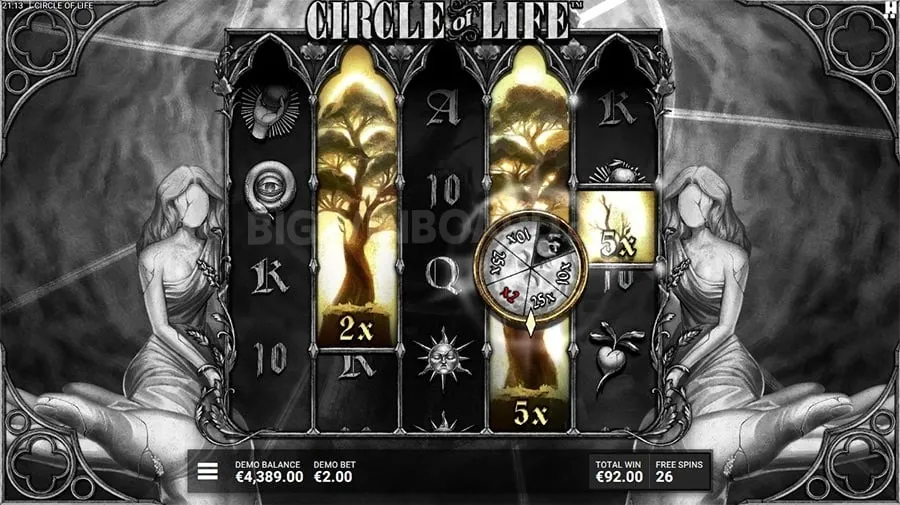
Today, online slots dominate the casino floor, both physical and virtual. Modern video slots boast intricate storylines, immersive animations, bonus rounds, and progressive jackpots that can reach life-changing sums. The mobile-first approach has made these digital delights incredibly accessible, allowing players in the Philippines market to enjoy thousands of unique slot titles directly from their smartphones. The evolution of the slot machine perfectly illustrates how technology can transform a simple game of chance into a dynamic and engaging entertainment experience, complete with exciting promo activity.
Poker's Journey: From Saloons to Global Online Arenas
Poker, a game synonymous with strategy, bluffing, and skill, has a captivating history that mirrors the American frontier spirit and its global expansion. From smoky saloons to massive international tournaments and thriving online poker rooms, poker's journey is one of continuous evolution and increasing popularity.
Early American Origins
While the exact origin of poker is debated, it is widely believed to have developed in the United States in the early 19th century, particularly in New Orleans. It likely evolved from various European card games such as Poque (French) and Pochen (German), which involved bluffing and betting. The game quickly spread up the Mississippi River via steamboats and became a staple in saloons across the burgeoning American West. Early versions were often played with a 20-card deck and focused on straight poker (five-card draw).
The mid-19th century saw the introduction of the 52-card deck, the flush, and the straight. The American Civil War played a significant role in popularizing poker, as soldiers from both sides played it to pass the time, spreading its rules and variations across the country. Stud poker and draw poker became standard variations.
The Rise of Texas Hold'em and Tournament Play
The most popular variant today, Texas Hold'em, originated in Robstown, Texas, in the early 20th century but didn't gain widespread recognition until it was introduced to Las Vegas in 1967. Its strategic depth and spectator-friendly format made it ideal for tournament play. The World Series of Poker (WSOP), established in 1970, played a crucial role in popularizing Hold'em and transforming poker from a backroom game into a legitimate professional sport.
The Online Poker Boom
The late 1990s and early 2000s witnessed the online poker boom. The internet provided an unprecedented platform for players worldwide to compete against each other without leaving their homes. The accessibility and anonymity of online play attracted millions of new players, leading to a surge in poker's popularity. This digital revolution made poker a truly global phenomenon, with players from diverse backgrounds participating in tournaments and cash games around the clock.
Today, poker continues to thrive, with innovations in online platforms, live streaming, and strategic analysis. For players in the Philippines market, the opportunity to join global poker tables or local games on mobile first devices means the strategic challenge of poker is more accessible than ever before.
The Digital Transformation: Online and Mobile Casinos in the Philippines
The 21st century has ushered in the most significant transformation in the history of casino games: the digital revolution. This shift has taken traditional games from land-based establishments to the fingertips of millions worldwide, with the Philippines market being a prime example of this rapid adoption, especially with a mobile first approach.
The Dawn of Online Casinos
The first truly functional online casino emerged in the mid-1990s, offering a limited selection of games like Blackjack and Roulette. Early online platforms were often clunky and required dedicated software downloads. However, as internet technology advanced, so did the sophistication of these virtual casinos. Improved graphics, faster connection speeds, and secure payment gateways made online gambling a viable and attractive alternative to physical casinos.
The convenience factor was undeniable: players could access their favorite casino games from the comfort of their homes, at any time. This accessibility removed geographical barriers and opened up the world of casino gaming to a much broader audience, including those in the vibrant Philippines market.
The Mobile First Revolution
The advent of smartphones and tablets marked another paradigm shift, leading to the 'mobile first' era. Recognizing the pervasive use of mobile devices, online casino operators began optimizing their platforms for smaller screens and touch interfaces. This meant not just responsive websites but also dedicated casino apps, offering a seamless and intuitive gaming experience on the go.
For the Philippines market, where mobile internet penetration is high and smartphone usage is widespread, mobile first online casino platforms have become incredibly popular. Players can now enjoy a vast array of casino games – from classic slots and table games to live dealer experiences – anytime, anywhere. This has transformed how Filipinos engage with gambling, making it an integrated part of their digital lifestyle.
Promo Activities and the Future
Online and mobile casinos also thrive on innovative promo activity. Welcome bonuses, free spins, loyalty programs, and special tournaments are common strategies to attract and retain players. These promotions add extra value and excitement, making the online gaming experience even more dynamic.
The future of casino games is undoubtedly digital and mobile-centric. With continuous advancements in virtual reality (VR), augmented reality (AR), and artificial intelligence (AI), the immersive quality of online casino games is set to reach new heights. The historical journey of casino games has led us to this exciting juncture, where tradition meets cutting-edge technology, offering unparalleled entertainment to players across the globe, especially in thriving markets like the Philippines.
From ancient dice games to sophisticated mobile first online casinos, the history of popular casino games is a testament to human ingenuity and our enduring love for games of chance and skill. Each era has added its unique flavor, culminating in the diverse and accessible gaming landscape we enjoy today. Whether you're a fan of the strategic depth of Blackjack, the thrill of Roulette, the engaging stories of modern slots, or the intellectual challenge of Poker, there's a rich history underpinning every spin, roll, and deal. The convenience of playing these games on your mobile device in the Philippines, complete with exciting promo activity, makes now the perfect time to explore this vibrant world.
Ready to experience the evolution firsthand? Dive into the world of online casino games and discover your next favorite pastime. Register now and explore the vast selection of games, promotions, and a seamless mobile-first experience tailored for the Philippines market!
Frequently Asked Questions
Question 1: What is the oldest casino game still played today?
While definitive origins are often debated, many historians point to dice games as the oldest form of gambling, dating back thousands of years. Among modern casino games, Baccarat is often cited as one of the oldest card games, with roots in 15th-century Italy. Games like Roulette and Blackjack also have origins dating back several centuries, evolving into the forms we recognize today.
Question 2: How did casino games become available online?
Casino games transitioned online with the rise of the internet in the mid-1990s. Early online casinos offered basic versions of popular games. As internet technology, graphics capabilities, and secure payment systems improved, online platforms became more sophisticated. The development of Random Number Generators (RNGs) ensured fairness, and the subsequent 'mobile first' revolution further propelled their accessibility, allowing players in the Philippines and worldwide to enjoy games on smartphones and tablets.
Question 3: Are online casino games fair?
Reputable online casinos ensure fairness through several mechanisms. They use certified Random Number Generators (RNGs) to determine game outcomes, ensuring that every spin, roll, or deal is completely random and unbiased. These RNGs are regularly audited by independent third-party agencies. Additionally, licensed online casinos operate under strict regulations from gaming authorities, which monitor their operations to guarantee player protection and fair play. Always choose licensed and regulated platforms for a secure and fair gaming experience.
Question 4: What are some popular casino games in the Philippines?
In the Philippines market, a wide variety of casino games are popular, both in land-based establishments and on online casino platforms. Slot machines, with their diverse themes and potential for big jackpots, are incredibly popular. Classic table games like Blackjack, Roulette, and Baccarat also have a strong following. Poker, especially Texas Hold'em, attracts many strategic players. Additionally, live dealer games, which combine the convenience of online play with the authentic atmosphere of a physical casino, are rapidly gaining traction among Filipino players.
Question 5: How can I start playing online casino games in the Philippines?
To start playing online casino games in the Philippines, you typically need to choose a reputable and licensed online casino that caters to the Philippines market. You'll then need to register for an account, which usually involves providing some personal details and verifying your identity. After that, you can deposit funds using various secure payment methods and begin exploring the wide range of available games. Many platforms also offer welcome bonuses and promo activity for new players.